%2Ffit-in%2F250x250%2Fguide_websites%2F59270%2Fimages%2F1767752822805599566712_122163350756619498_6022242302352800294_n-removebg-preview.png&w=1920&q=100)
/users/b1c660af-4217-4041-a089-28ddfb2c964b/ratecard/490887907_122130961064619498_1462552631387427861_n-mk38sfwi.jpg)
%2F300x300%2Fusers%2Fb1c660af-4217-4041-a089-28ddfb2c964b%2Fratecard%2F490887907_122130961064619498_1462552631387427861_n-mk38sfwi.jpg&w=256&q=75)
%2F300x300%2Fusers%2Fb1c660af-4217-4041-a089-28ddfb2c964b%2Fimages%2Fny-fisherman-sea-trout-catch-2447.jpg&w=256&q=75)
%2F300x300%2Fusers%2Fb1c660af-4217-4041-a089-28ddfb2c964b%2Fimages%2Fspotted-weakfish-wolcott-fishing-2851.jpg&w=256&q=75)
%2F300x300%2Fusers%2Fb1c660af-4217-4041-a089-28ddfb2c964b%2Fimages%2Ffishing-ny-2868.jpg&w=256&q=75)
%2F300x300%2Fusers%2Fb1c660af-4217-4041-a089-28ddfb2c964b%2Fimages%2Fcoho-salmon-fishing-wolcott-2549.jpg&w=256&q=75)
%2F300x300%2Fusers%2Fb1c660af-4217-4041-a089-28ddfb2c964b%2Fimages%2Fcoho-salmon-wolcott-fishing-2754.jpg&w=256&q=75)
%2F300x300%2Fusers%2Fb1c660af-4217-4041-a089-28ddfb2c964b%2Fimages%2Fanglers-catch-chinook-salmon-ny-2808.jpg&w=256&q=75)
%2F300x300%2Fusers%2Fb1c660af-4217-4041-a089-28ddfb2c964b%2Fimages%2Ffishing-ny-2827.jpg&w=256&q=75)
%2F300x300%2Fusers%2Fb1c660af-4217-4041-a089-28ddfb2c964b%2Fimages%2Ffishing-adventure-ny-2539.jpg&w=256&q=75)
%2F300x300%2Fusers%2Fb1c660af-4217-4041-a089-28ddfb2c964b%2Fimages%2Fchinook-salmon-fishing-ny-2571.jpg&w=256&q=75)
%2F300x300%2Fusers%2Fb1c660af-4217-4041-a089-28ddfb2c964b%2Fimages%2Ffishing-adventure-wolcott-2737.jpg&w=256&q=75)
6 Hour Lake Ontario Salmon Charter Dry Creek
 Lake Ontario
What you will be catching:
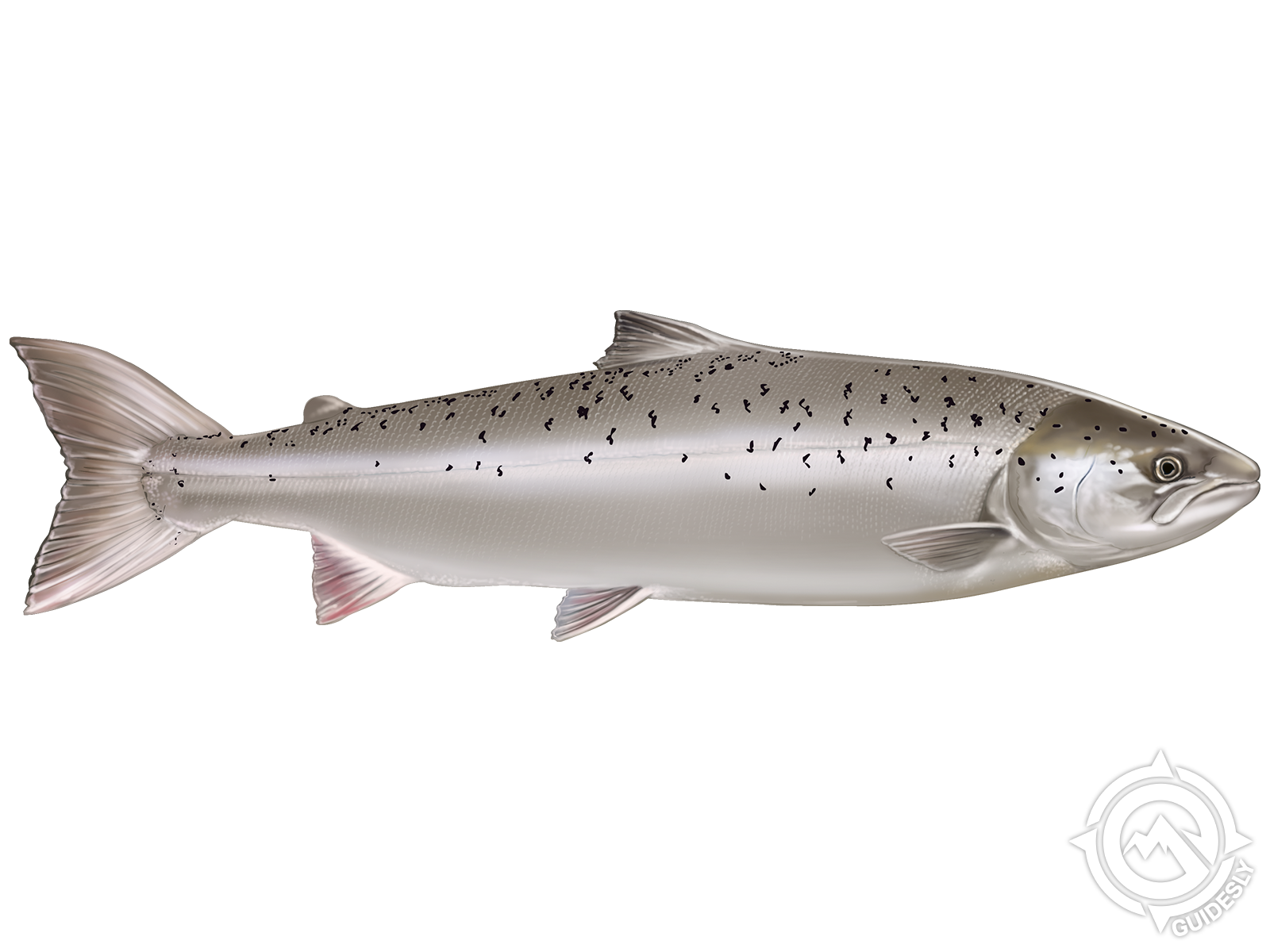 Atlantic Salmon
 Brown Trout
 Chinook Salmon
 Coho Salmon
 Lake Trout
- 6-hour Lake Ontario charter targeting Chinook and Coho salmon
- Captain provides fully-equipped 23-foot vessel with tackle included
- Family-friendly trip requiring Ontario fishing license
Trip Pricing and Availabilities:
Lake Ontario Salmon Fishing Charter
When the sun starts peeking over Lake Ontario at dawn, there's nothing quite like being out on the water with your lines down, waiting for that telltale scream of your reel. Captain Christopher's 6-hour salmon and trout charter puts you right in the heart of some of the Great Lakes' best fishing action. Starting at 6:00 AM, this top-rated fishing experience gives you plenty of time to work the productive waters where Chinook, Coho, and various trout species cruise the depths. The early start isn't just for show – it's when the fish are most active and the lake is at its calmest. You'll be fishing from a well-equipped 23' Sport-Craft that's built for comfort and performance, complete with an onboard head so nobody has to cut their fishing short. Whether you're a seasoned angler or picking up a rod for the first time, this charter welcomes everyone, including families with kids who want to experience the rush of landing their first Great Lakes salmon.
What to Expect on the Water
Your day starts early, but trust me, once you see the lake at sunrise and feel that first fish hit, you'll understand why we get out there before most folks are having their morning coffee. Captain Christopher knows these waters like the back of his hand and has been putting anglers on fish for years. The 23' Sport-Craft gives you plenty of room to move around and fight fish without getting tangled up with your fishing buddies. With space for up to 4 anglers, it's the perfect size for a family outing or a small group of friends looking to make some memories. The boat stays stable even when the lake kicks up a bit, which is crucial when you're battling a 20-pound Chinook that's determined to take all your line. You'll spend your time trolling the productive zones where salmon and trout hang out, watching the downrigger rods and waiting for that magic moment when a fish commits. The captain provides everything you need – high-quality rods, reels, and the lures that are producing fish right now. All you need to bring is your fishing license, some water to stay hydrated, polarized sunglasses to cut the glare, and non-spray sunscreen that won't contaminate the water.
Downrigger Tactics & Gear
Lake Ontario fishing is all about getting your bait down to where the fish are living, and that's where downriggers become your best friend. These specialized pieces of equipment let us precisely control the depth of our lures, dropping them 50, 80, even 100 feet down where the big salmon are cruising in the thermocline. The downrigger ball carries your line down while your rod stays free, so when a fish hits, it pops the line free and you're fighting pure fish – no heavy weight to deal with. Captain Christopher runs multiple downriggers, creating a spread of lures at different depths and distances from the boat. This technique mimics a school of baitfish and triggers aggressive strikes from predatory salmon and trout. The lures get switched up based on what's working – some days it's bright spoons that flash like injured alewives, other times it's more subtle presentations that match the natural forage. The key is staying flexible and reading what the fish want on any given day. Water temperature, clarity, and baitfish activity all play into the equation, and that's where having an experienced captain makes all the difference.
Species You'll Want to Hook
Atlantic Salmon in Lake Ontario are making one of the most remarkable comeback stories in Great Lakes fishing. These silvery rockets are incredibly acrobatic fighters that will test your skills and your drag system. They're not as common as their Pacific cousins, but when you hook one, you'll know it immediately from their spectacular jumps and long, powerful runs. Spring and fall offer the best opportunities as they move closer to shore, and landing one is considered a real trophy among Great Lakes anglers. They average 8-12 pounds but can push much larger, and their stamina is legendary.
Coho Salmon are pound-for-pound some of the scrappiest fish you'll encounter on Lake Ontario. These acrobatic fighters love to jump and will put on a show that gets everyone on the boat excited. They typically run 5-10 pounds and are most active from late spring through early fall. Cohos are aggressive feeders and often hit lures with authority, making them a customer favorite for anglers who want consistent action. They school up in areas with good baitfish concentrations, and when you find them, you can often catch several before they move on.
Chinook Salmon are the kings of Lake Ontario, and for good reason. These powerhouse fish can exceed 30 pounds and will take you on a ride you won't forget. King salmon are built for long, sustained battles, using their bulk and strength to test every knot and connection in your tackle. They're most active during the cooler months and early morning hours, making this dawn charter perfect timing. When a big Chinook commits to your lure, it often happens with surprising subtlety – just a steady pull that builds into an unstoppable force. They're the fish that create the stories you'll tell for years.
Brown Trout are the opportunistic predators of Lake Ontario, known for their wariness and incredible fighting ability. These bronze-sided beauties can grow quite large in the lake's fertile waters, with fish over 15 pounds not uncommon. Browns are most active in low-light conditions, making early morning prime time. They're notorious for their unpredictable behavior – sometimes aggressive, sometimes finicky – which keeps things interesting. Their coloration is stunning, especially the larger specimens that develop pronounced spots and a golden hue.
Lake Trout are the native inhabitants of Lake Ontario's deepest, coldest waters. These fish can live for decades and grow to impressive sizes, with some pushing 20+ pounds. Lakers are typically found in deeper water and are most active during cooler periods. They're steady fighters that use their weight and the
Learn more about the species
Atlantic Salmon
Atlantic salmon are beautifully proportioned fish with silver sides and bronze coloring when spawning. Unlike Pacific salmon, they can survive spawning and return to the lake multiple times. These fish average 28-30 inches and 8-12 pounds, making them perfect targets for sport fishing. You'll find them in deeper, cooler water during summer months, often near temperature breaks and thermoclines. Spring and fall offer the best action when they move into shallower areas to feed. What makes them special is their incredible fight - they're known for powerful runs and aerial displays that'll test your drag. The meat is top-notch too, with that signature pink color and rich flavor. Here's a local tip: watch for birds working baitfish on the surface, then drop your lines about 20 feet below the action using our downriggers.
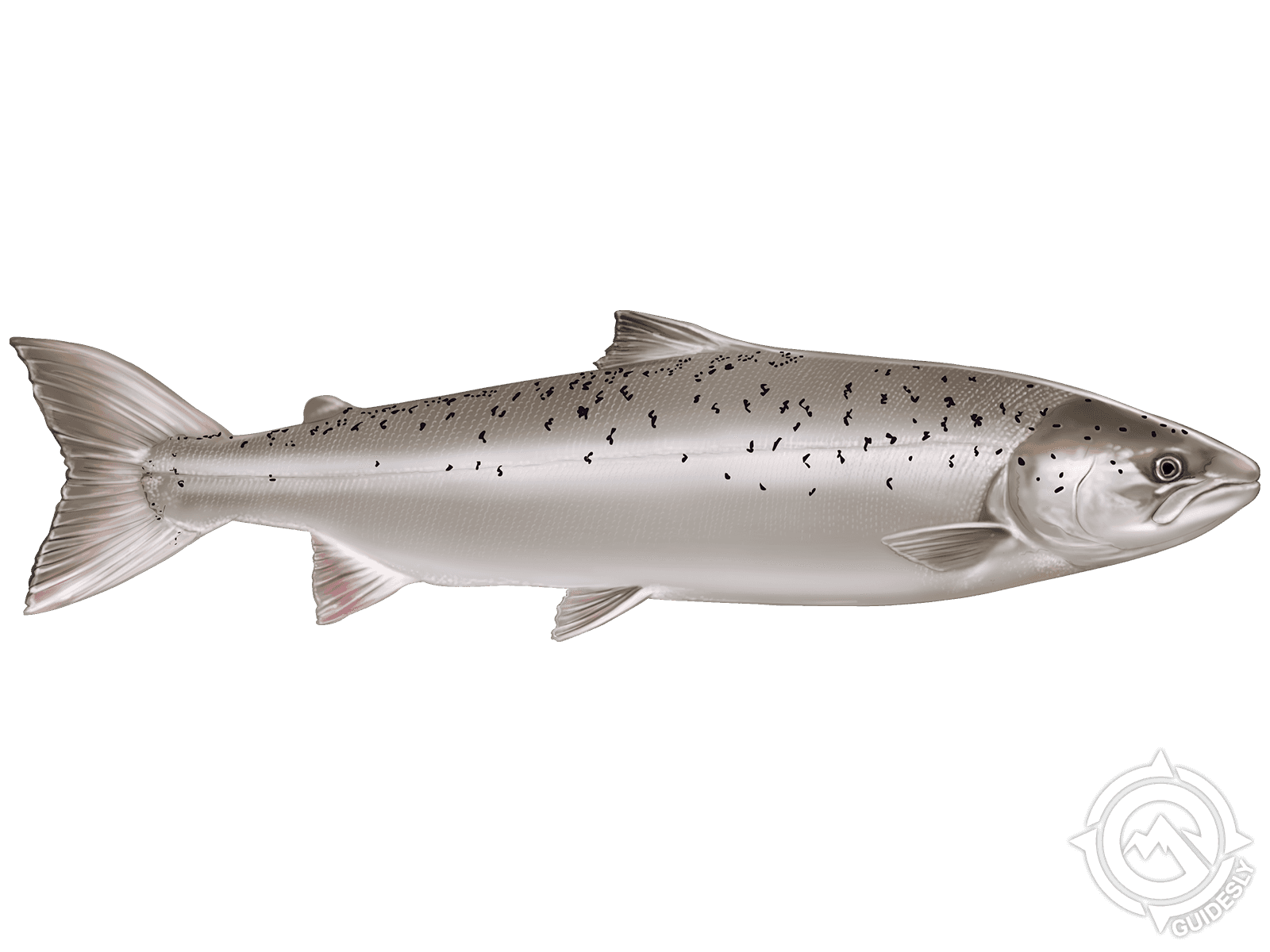
Brown Trout
Brown trout are the smartest fish in Lake Ontario, and that's what makes catching them so rewarding. These golden-brown beauties with black spots average 8-24 inches but can surprise you with specimens over 30 inches and 10+ pounds. They're homebodies that stick close to structure - rocky drop-offs, weed edges, and underwater points are prime spots. Unlike salmon, browns often hug the bottom in 40-80 feet of water and can be finicky feeders. Fall is absolutely prime time when they feed aggressively before winter, though spring can be hot too. Guests love them because they fight smart, not just hard - lots of head shaking and direction changes. The firm, mild meat is fantastic eating. Here's what works: browns are spookier than salmon, so lighter lines and more natural presentations often make the difference. Try running your lures a bit slower than you would for salmon.
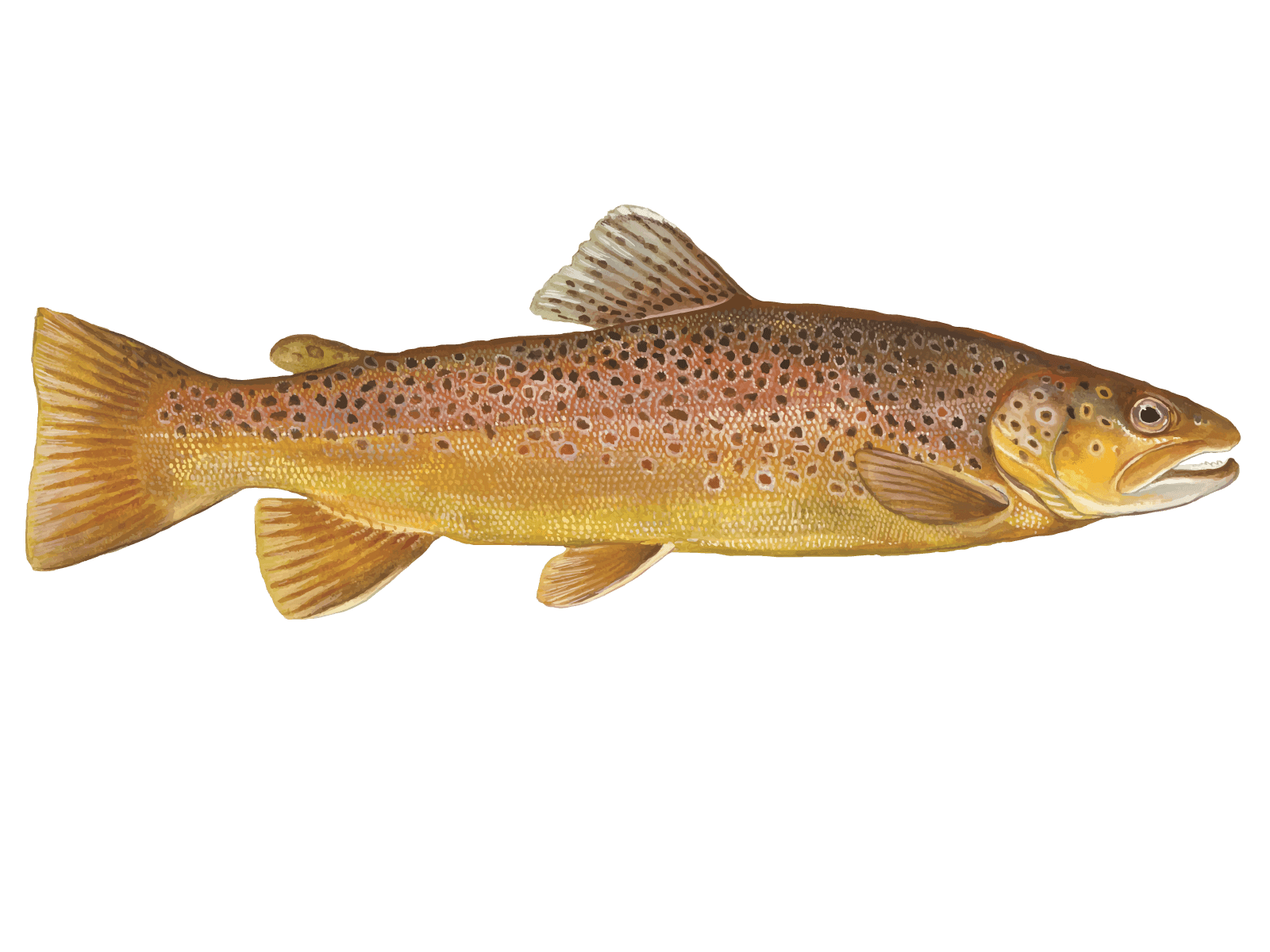
Chinook Salmon
Chinook salmon are the kings of Lake Ontario for good reason - these bruisers regularly hit 15-30 pounds and fight like freight trains. They're the largest salmon you'll encounter, with silver sides, blue-green backs, and black spots covering their head and fins. Kings prefer deep, cold water and stay down in the thermocline most of the time, which is why we use downriggers to get our lures 80-150 feet down where they live. Early morning and evening produce the best action, especially from late spring through fall. What guests love most is the pure power - these fish make long, determined runs that'll test your endurance and equipment. The thick, orange-pink fillets are restaurant-quality. Here's my go-to trick: when fighting a big king, pump and wind to gain line, but never just crank against their runs. Let them tire themselves out, then work them up gradually.
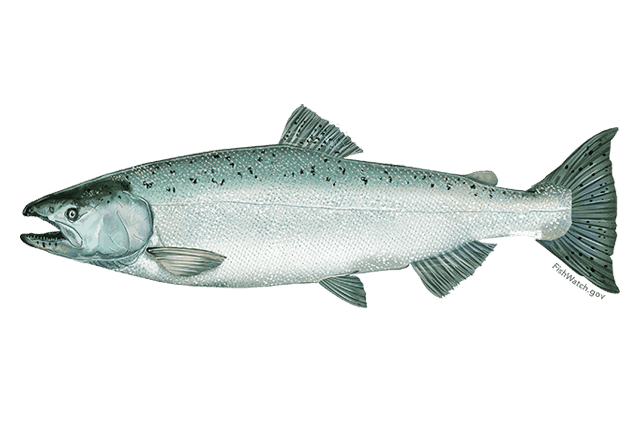
Coho Salmon
Coho salmon, or "silvers," are the acrobats of Lake Ontario. These fish pack serious attitude in a 12-30 inch, 8-12 pound package with bright silver sides and distinctive black spots on their backs and tails. They're absolute rockets when hooked - expect multiple jumps and screaming runs that'll get your heart pumping. Cohos cruise the upper water column more than other salmon, usually in the top 60 feet, especially around baitfish schools. Late spring through early fall gives you the best shot, with dawn and dusk being prime time. The bright orange-red meat makes for excellent eating, and their aggressive nature means they'll hit lures hard. Pro tip: when you hook one, keep steady pressure but let your drag do the work - they'll tire themselves out with all those aerial stunts, just don't give them slack or they'll throw the hook.
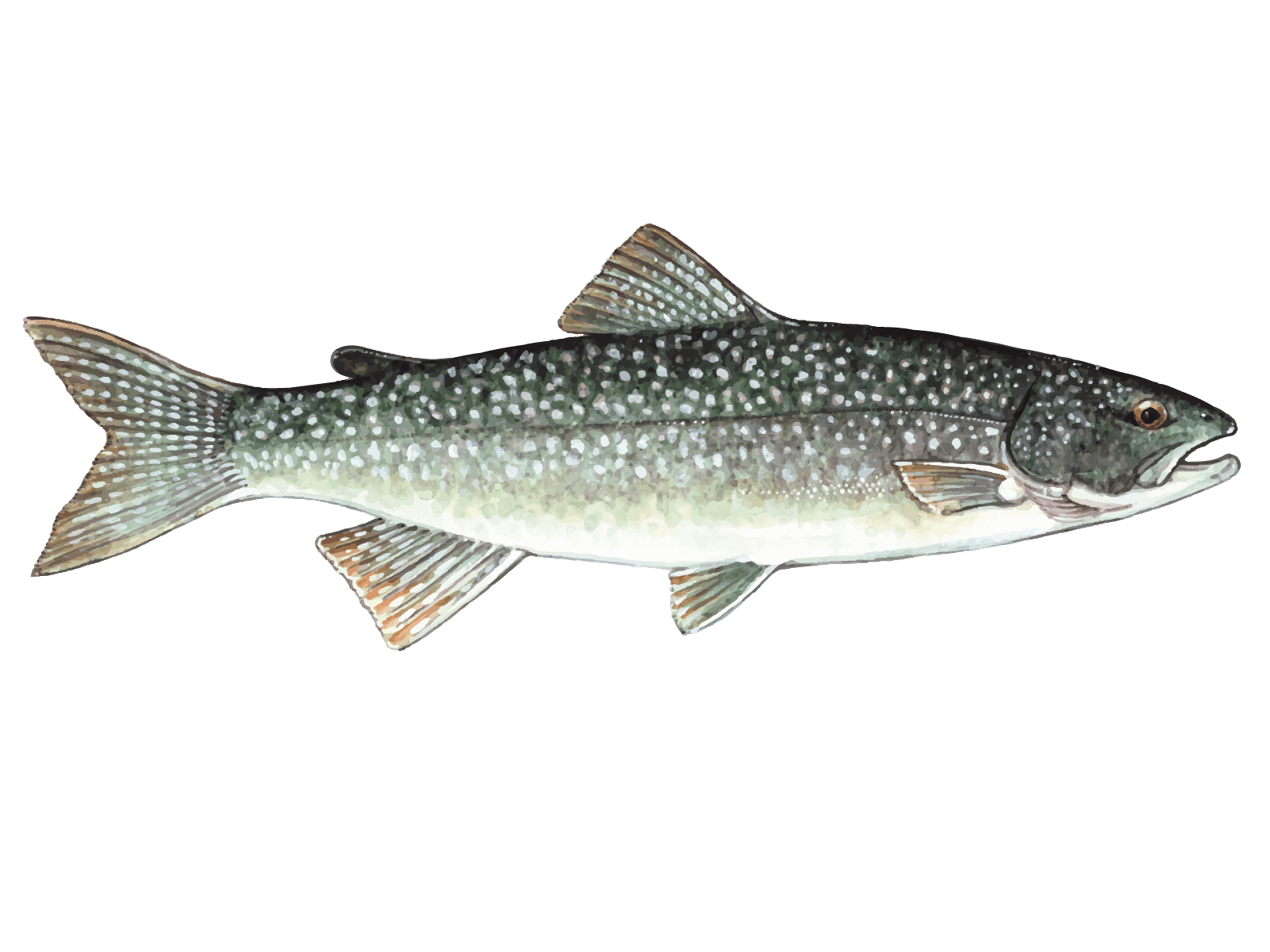
Lake Trout
Lake trout are the deep-water giants of the char family, and Ontario's got some real monsters. These grey-green fish with cream-colored markings grow slow and live long - we regularly see 15-40 pounders, with fish over 20 pounds not uncommon. They're homebodies that stick to the deepest, coldest water, usually 100+ feet down near the lake bottom around structure and drop-offs. Spring right after ice-out and late fall are your best bets when they move a bit shallower. Summer means going really deep with the downriggers. What's special about lakers is their bulldogging fight - not flashy like salmon, but pure strength that'll wear you out. The white, flaky meat is excellent eating. Here's the key: patience is everything with lake trout. They're not aggressive feeders like salmon, so slow presentations work best. Try vertical jigging when we mark them on the fish finder.
About the Dry Creek Boat
%2F%2Fusers%2Fb1c660af-4217-4041-a089-28ddfb2c964b%2Fvehicle_picture%2F097ce9107fbdebfdd1235231664aeae31-mk376ny3.jpg&w=1920&q=75)
Vehicle Guest Capacity: 4
Manufacturer Name: Mercruiser
Maximum Cruising Speed: 28
Number of Engines: 1
Horsepower per Engine: 305